

This is a version of The Atlantic Every day, a magazine that guides you through the top stories of the day, helps you discover new ideas, and recommends the best in culture. Register here.
In September, FCC Chairman Brendan Carr issued a simple threat: Either ABC would “take action” against Jimmy Kimmel, or there would be consequences. The network immediately offered—“Big News,” President Trump he wrote at the time—stopping Kimmel’s late-night show and bringing it back a few days later amid public backlash. Yesterday, just 24 hours after the president and first lady publicly announced that Kimmel should be fired, the FCC went after the network once again, issuing an early order. review of all broadcasting licenses owned by ABC’s parent company, Disney.
In a way, the circumstances sing. Both involve direct threats to ABC after Kimmel’s joke, and both show how the FCC has been restructured to handle Trump’s personal complaints. But after failing in its previous attempt to remove Kimmel from power, the White House has now lost much of its power; This time, Disney has less of a caveat factor.
Carr’s threat this past season was a direct response to a joke the comedian made during a monologue, which falsely implied that Charlie Kirk’s killer was a member of the MAGA movement. At the time, Republicans were holding posthumous criticism of Kirk to trial controller liberal groups, and Elon Musk and other prominent conservatives recently piled on Kimmel. The FCC told me that its latest challenge is based on continuity investigation in the network’s diversity, equity, and inclusive practices, “it’s not just any speech.” But the timeline is revealing: The agency ordered a preliminary inspection the day after the president and the first woman expressed their displeasure with Kimmel’s joke on Thursday. (In a controversy over the president’s age, the late-night host said that Melania had “the glow of a widow-to-be”; the comment drew criticism from MAGA figures after the attempted assassination of senior administration officials at the White House Correspondents’ Dinner on Saturday night.)
Perhaps the biggest difference between September’s rumors and yesterday’s challenge is that now the FCC is taking action, using regulatory power against Disney in a way it had previously threatened. in autumn, it is not doing anything turned out to be profitable for the agency, legally speaking. “The court cannot review the action you took don’t do it take,” my colleague Gilad Edelman, who brief description Carr in November, he told me. But if Disney’s lawyers think the company is being illegally targeted at this point, they could sue the administration over it.
The FCC says it has grounds to review all eight of ABC’s broadcast licenses, which were not scheduled to be renewed until 2028 at the earliest. In the filing, David Brown, head of the agency’s video division, wrote that the early review was necessary for the FCC’s ongoing investigation into “potential violations of the Communications Act of 1934 and FCC rules, including the agency’s prohibition on unlawful discrimination.” Discrimination in this context it refers to Disney’s DEI policies, which the FCC has suggested may be illegal. It is unclear what evidence the FCC has for this claim. (Disney denied the allegations and told me it was prepared to verify its licensing credentials “through appropriate legal channels.”)
Carr has long criticized the legacy media: He has been manufactured from time to time comments about what he sees as the “two-tier” media system in this country, where liberals hold power and the right-wing is, at least in the case of Kimmel and his colleagues, often a laughingstock. Yesterday, Katie Miller, former White House official and wife of Trump adviser Stephen Miller, had Carr on his podcast; the title of the episode—“FCC Chairman Brendan Carr DESTROYES Revival in Disney Legacy Media”—sums up its mission.
This mission seems to be in line with the president’s. During his first term, Trump he tweeted that it might be “appropriate to challenge” the licenses of the major news networks, which he saw as selling “Fake News.” (Critics at the time saw echoes of President Richard Nixon threats challenging TV licenses during Watergate.) Trump is already accustomed to suing the major networks in his personal capacity—he received a $15 million settlement in his lawsuit against ABC News in 2024, and a $16 million settlement in his lawsuit against CBS owner Paramount last year—but in marshaling regulatory powers against ABC and Disney, Carr has given the White House another way to control the media.
Still, Disney and its new CEO, Josh D’Amaro, have several advantages. The last time, local TV partners basically forced his hand. Almost immediately after Carr’s initial comments about Kimmel in the summer, conservative broadcasters Nexstar and Sinclair said they would begin replacing Kimmel’s show with other programs. Groups is reported controlling more than 25 percent of ABC affiliates nationwide and representing 23 percent of all American households. This week, neither Nexstar nor Sinclair or any other ABC affiliates have announced plans to replace Kimmel’s show—giving ABC the freedom, at least for now, to push back without the same kind of immediate pressure to accommodate the administration.
Disney emerged stronger from its last dispute with the FCC. The first foray into Kimmel was ultimately good for the ratings: The show’s viewership was up 22 percent this year, and viewers in the coveted 18-to-49 demographic were up 45 percent. The late-night comedy institution has been in decline for decades; Ironically, the president may have had something to do with putting Kimmel on the air. But if Disney comes out on top again it may not matter to the White House. Even if this challenge to the company’s licenses is unsuccessful in the long run, it will cause legal and logistical headaches for a long-time enemy of the Trump administration. That may be the point.
Related:
- Jimmy Kimmel ran straight to his critics.
- David Letterman’s response to Jimmy Kimmel: “We all see this coming, right?”
Here are four new stories from Atlantic:
- The rise of a loved one by blood
- Trump aims to be one of the “great men” of history.
- The King’s chief cheerleader
- Law clubs fight over gerrymander
Today’s news
- The The Supreme Court threw out the Louisiana congressional mapruling that the state improperly used race to create a second black district after a lower court ordered lawmakers to add one under the Voting Rights Act. The decision could make challenging race-based voting maps more difficult and could affect redistricting battles ahead of the midterm elections.
- Senate Committee on Banking he advanced the nomination of Kevin Warsh to lead the Federal Reserve in a party vote, putting him in line to become Fed chairman after Jerome Powell’s term ends on May 15.
- A senior Pentagon official told Congress that The US war with Iran has cost about $25 billion so farand most of the costs have been associated with weapons, military operations and replacement of equipment.
Evening Read
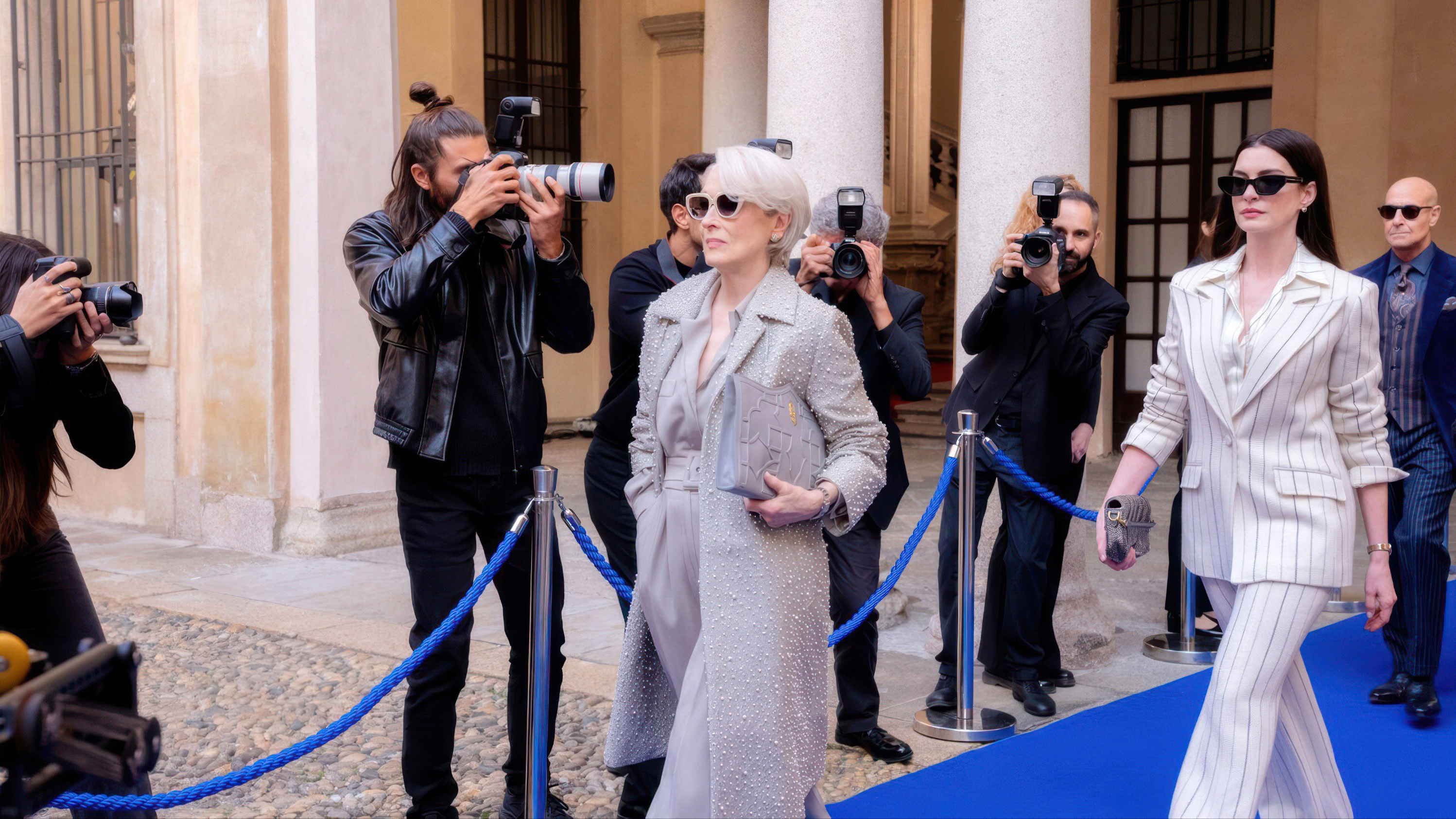
Priest Miranda Hangs Up Her Own Coat Now
By David Sims
The Devil Wears Prada it took place amidst the glorious roar of capitalism. The hit comedy of 2006 took place in a world where newspapers were still victorious, and The way to runfiction, Vogue-esque printing film was in the middle, sitting firmly on the pile. The only concern was whether Andy Sachs, the aspiring journalist played by Anne Hathaway, would be able to continue working as an assistant to The way to runThe imperious editor-in-chief, Miranda Priestly (Meryl Streep), never loses her sense of self. But in The Devil Wears Prada 2In Hollywood’s latest nostalgia-baiting follow-up film, the conflict is no longer personal—it exists.
More From Atlantic
- Jonathan Chait: Donald Trump’s controversial reception for King Charles
- Sam Altman and Elon Musk definitely don’t like each other.
- Alexandra Petri: The Pope continues the ICE journey.
- The David Frum Show: Who is the real foundation of the Democratic Party?
Cultural Breakdown
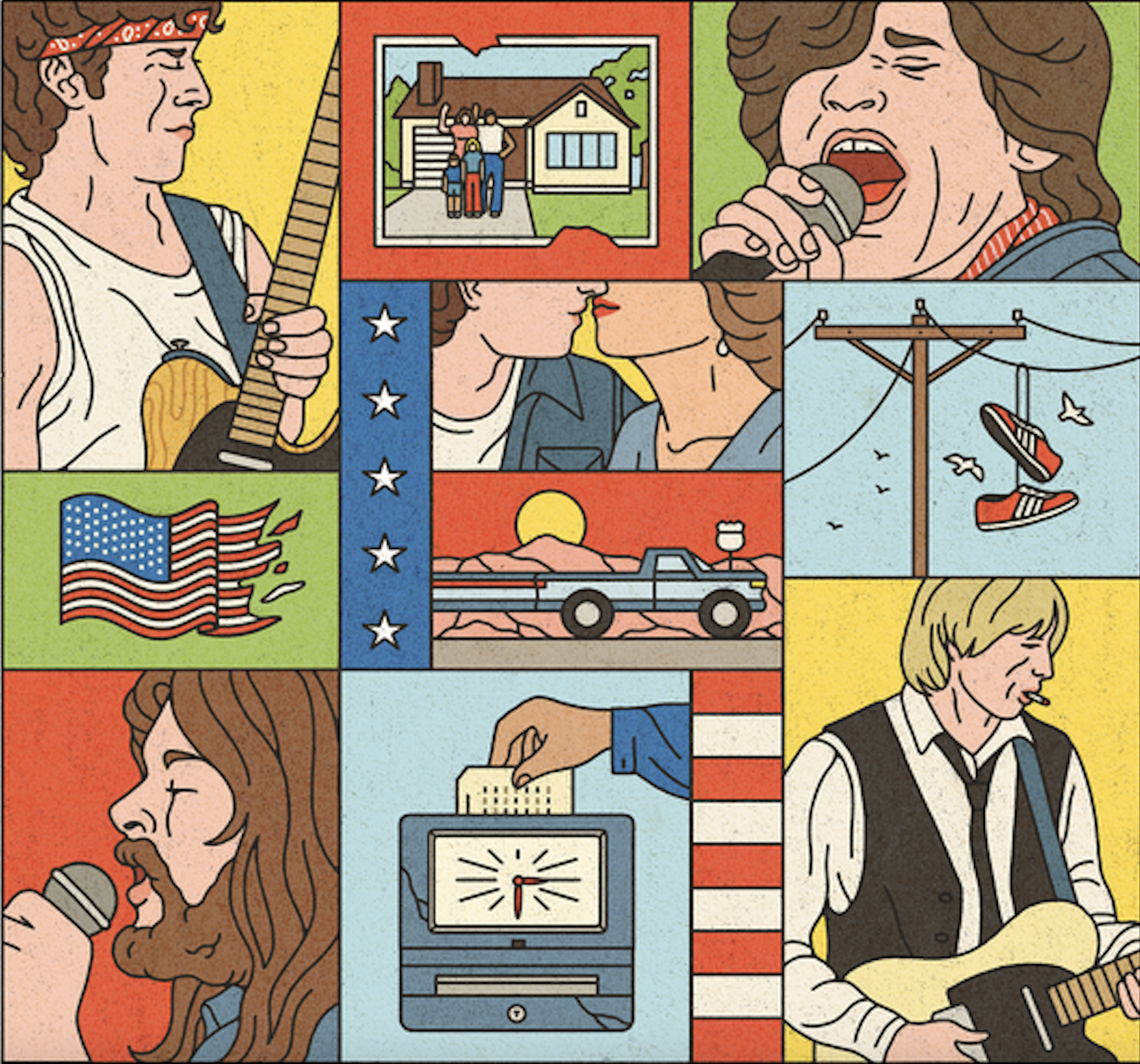
Rock up. Jack Hamilton investigates losing the idealism of rockland-rock music and how to recover such ambiguous messages.
Take a look. In December, Sophie Gilbert and Shirley Li proposed 14 best tv shows of 2025.
Explore all of our newsletters here.
Rafaela Jinich contributed to this journal.
When you buy a book using a link in this newsletter, we receive a commission. Thank you for your support Atlantic.


